
5 Common Heat Pump Mistakes Ontario Homeowners Make
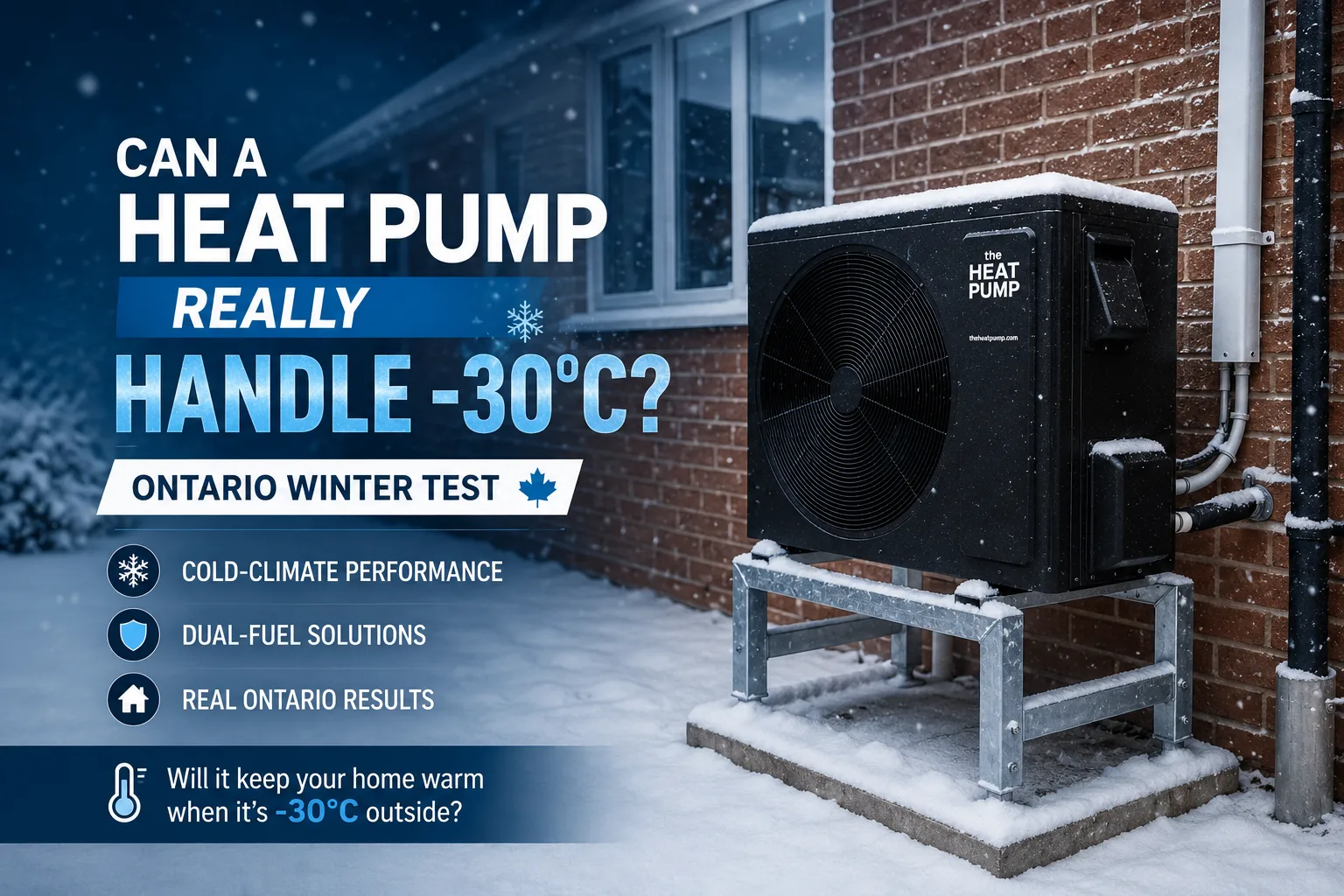
As Ontario winters bring long stretches of freezing temperatures, many homeowners ask the same question before making the switch to a heat pump: Will it still keep my family warm when it’s -30°C outside?
The honest answer is yes — a modern cold-climate heat pump can still operate in extreme winter weather. But performance changes as the temperature drops, and the best heating setup for many Ontario homes is often a dual-fuel system that pairs a heat pump with a furnace.
For decades, Canadians relied on gas furnaces, oil boilers, or electric baseboard heat to get through winter. Today’s heat pump technology has advanced dramatically, making it a real option for many homes across Ontario — including some that experience severe cold snaps.
1.How Cold-Climate Heat Pumps Work in Winter
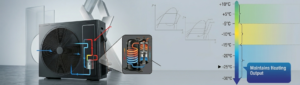
Unlike older heat pump models that struggled below freezing, modern cold-climate systems are built specifically for harsh Canadian weather. These units use advanced compressors and smart controls to extract heat from outdoor air even when temperatures fall well below zero.
Here’s what that means in practice:
- They can extract heat from outdoor air even at very low temperatures
- They use variable-speed compressor technology for better winter performance.
- They stay efficient in mild and moderate cold.
- They continue operating at extreme temperatures, though with reduced output.
A heat pump does not suddenly stop working at -30°C. Instead, its heating capacity gradually drops as the outdoor temperature falls. That is why it’s important to understand the difference between “operational” and “efficient” when comparing systems.
2.What Really Happens at -30°C?
Many manufacturers say their heat pumps “work” at -30°C, but that does not always mean they will heat your home at full capacity without help.

At extreme cold temperatures, you can expect:
- The heat pump will still run and produce heat.
- Heating output may drop compared to milder weather.
- Electricity use increases as outdoor temperatures fall.
- Backup or auxiliary heat may be needed.
In a properly sized system, the heat pump may continue running almost constantly during extreme cold. That is normal. The key question is whether it is sized correctly for your home and supported by the right backup heating strategy.
3. Why Dual-Fuel Systems Are a Smart Ontario Solution
For many Ontario homeowners, the best solution is a dual-fuel or hybrid heating system. This setup combines a heat pump with a furnace so your home gets the best of both worlds:
- Heat pump efficiency during most of the winter
- Reliable furnace backup during the coldest weather
- Automatic switching based on outdoor temperature
- Better peace of mind during deep freezes
How a Dual-Fuel System Works
| Temperature Range | Primary Heating Source | Efficiency |
|---|---|---|
| Above -10°C | Heat Pump | High |
| -10°C to -20°C | Heat Pump with furnace backup as needed | Moderate |
| Below -20°C | Gas Furnace | High |
What Affects Heat Pump Performance in Ontario?
Real-world performance depends on more than just the equipment itself. Several factors determine whether a heat pump will keep your home comfortable in deep winter:

- Proper sizing: An undersized heat pump will struggle in extreme cold.
- Home insulation: A drafty home loses heat faster than the system can replace it.
- Backup heat source: Electric strips or a gas furnace can fill the gap.
- Installation quality: Poor installation can reduce efficiency and comfort.
Well-insulated homes with properly sized cold-climate systems often stay comfortable even during -25°C to -30°C cold snaps, especially when backup heat is included. Older or draftier homes usually need more support from a backup source.
Is a Heat Pump Alone Enough for Ontario Winters?
The answer depends on your home, your climate zone, and your comfort expectations.
Heat Pump Alone
- Works best in smaller, well-insulated homes
- Can be suitable for milder parts of Southern Ontario
- May require backup heat during severe cold snaps
Heat Pump + Backup Heat
- Better for homeowners who want peace of mind
- More reliable during extreme winter events
- Offers strong efficiency during most of the season
- Can qualify for government rebates
For many Ontario homes, especially in colder regions or older houses, a dual-fuel system is the most practical long-term choice.
Ontario Regions Where Heat Pump Choice Matters Most
Homeowners in Toronto, London, Windsor, and Niagara may find that a cold-climate heat pump with electric backup is enough if the home is well insulated. In colder places such as Ottawa, Sudbury, and Thunder Bay, a dual-fuel setup is often the safer and more reliable option.
No matter where you live, the system should be matched to your home’s size, insulation level, and heating needs.
The Bottom Line
A modern cold-climate heat pump can technically operate at -30°C and still produce useful heat. However, for most Ontario homeowners, the smartest investment is often a dual-fuel system that pairs a heat pump with a gas furnace.
- Lower energy use during most of the winter
- Reliable backup when temperatures drop sharply
- Better year-round comfort
- More flexibility for Ontario’s changing winters
If you are considering a heat pump for your Ontario home, work with a licensed HVAC professional who can perform a proper load calculation and recommend the right cold-climate equipment. The right system, installed correctly, can keep your family warm even through the harshest Ontario winter.